
Fayette County Arrest Warrants Explained
Every Tennessee arrest warrant traces back to Tennessee Code Title 40, Chapter 6. That chapter lays out how a complaint or sworn affidavit goes before a magistrate or judge. The judicial officer reads the stated facts and signs only if probable cause supports them. An officer's report alone never substitutes for that signature. In Fayette County, the court handling your matter depends on its stage. General Sessions magistrates take misdemeanors and preliminary felony work. Circuit Court picks up felony cases later, and the court named on your paperwork is the one holding the docket and your next appearance.
Fayette County Arrest Warrant Starts With Review
The sequence is simple. A complaint or affidavit goes to an authorized judicial officer in Tennessee. That magistrate weighs the facts for probable cause. If the standard is met, the officer signs process directed to a law-enforcement agency for execution. The Tennessee General Sessions benchbook walks through this magistrate and warrant framework in depth. It says nothing about the facts of any particular Fayette County case. Those stay in the issuing court's own file.
Inside a Fayette County Arrest Warrant
The full warrant file can hold a lot: a case or warrant number, the named person, the offense, the issuing court and judicial officer, a date, the agency directed to act, and bond terms. The public sheriff's display in Fayette County is thinner. It lists only name, issue date, charge, and bond. Treat that as an index, not the signed document or affidavit, which the search result does not include. No local warrant-number format is published for the public to test against. The citation or case number on your own paper is the fastest way to help a clerk find the file. Sealed material and juvenile records sit behind separate access limits.
| Warrant Number | Not shown online; ask the issuing clerk or FCSO Records. |
|---|---|
| Named Subject | May appear in an underlying document; confirm any match with the office. |
| Charge / Offense | The public list shows a charge label, not a full case narrative. |
| Issuing Judge / Court | Not a public result column; the clerk can identify the court. |
| Bond / Bail Set | Displayed amount must be confirmed with Booking. |
| Date Issued | Visible on FCSO's search result; not a complete timeline. |
Fayette County Arrest Warrant Courts Divide Roles
Fayette County splits warrant work across courts. General Sessions handles misdemeanors, traffic, preliminary felony matters, and magistrate work within its authority. Circuit Court of the 25th Judicial District takes felony cases after bind-over. A city judge can still issue municipal process, and Juvenile Court follows its own access rules. For county criminal filings, Ed Pulliam's office serves as both Circuit and General Sessions clerk. A city citation or police case stays with the municipal clerk. So read the court printed on your paper.
| Process | Local Starting Point |
|---|---|
| County felony after bind-over | Circuit Court clerk, 901-465-5205 |
| Misdemeanor or preliminary matter | General Sessions clerk, 901-465-5205 |
| City ordinance or traffic | Municipal clerk named on the citation |
| Juvenile matter | Juvenile Court or counsel, subject to access limits |
Serving Arrest Warrants in Fayette County
Service falls to whichever agency the warrant names. FCSO, a municipal police department, or another authorized office may execute it. Keep in mind that the public list covers records held by law-enforcement agencies in Fayette County, not every warrant issued in the area. The responsible agency can confirm what its own system shows. Once an arrest happens, Booking takes over custody and bond logistics, while the issuing court keeps control of the case and any later recall or hearing. Call Booking at 901-465-5247 for current bond information. The public jail page notes a wrinkle. A booking after 8 p.m. may wait until the next day for a bond setting.
Fayette County Arrest Warrants Need Court Confirmation
FCSO's public search shows name, date, charge, and bond. It does not show the issuing court or the full warrant document. Newer Tennessee legislation addresses issuing-agency contact information on specified warrant forms. It does not promise that older warrants carry a public contact field, and it created no public portal. The Tennessee General Assembly bill record covers that limited reform. For the record you need, ask the clerk or FCSO which agency controls it.
Comparing Arrest, Summons, and Bench Warrants
Three tools, three jobs. An arrest warrant follows judicial review of probable cause. A summons tells a person to appear without authorizing custody first. A bench warrant grows out of an existing court obligation, often a missed setting. The Fayette County bench-warrant search covers those local failure-to-appear routes.
| Feature | Arrest Warrant | Summons | Bench Warrant |
|---|---|---|---|
| What It Orders | Custody under judicial process | Appearance on a stated date | Custody for a missed obligation |
| Basis | Probable cause of an offense | Court-directed appearance | Failure to appear or comply |
| Who Issues It | Authorized judge or magistrate | Court or officer as authorized | Judge in the pending case |
| How to Respond | Counsel, court, bond, or planned appearance | Attend the stated date | Contact clerk about recall, reset, or appearance |
Federal Warrants Sit Outside County Search
Federal warrants live outside county systems. Fayette County sits in the Western District of Tennessee. Federal cases run through federal court, with the U.S. Marshals Service handling fugitive service. No comprehensive public federal warrant roster exists. The Western District federal court and PACER answer docket questions, though PACER shows only some entries and sealed filings stay hidden. A blank result there proves nothing either way.
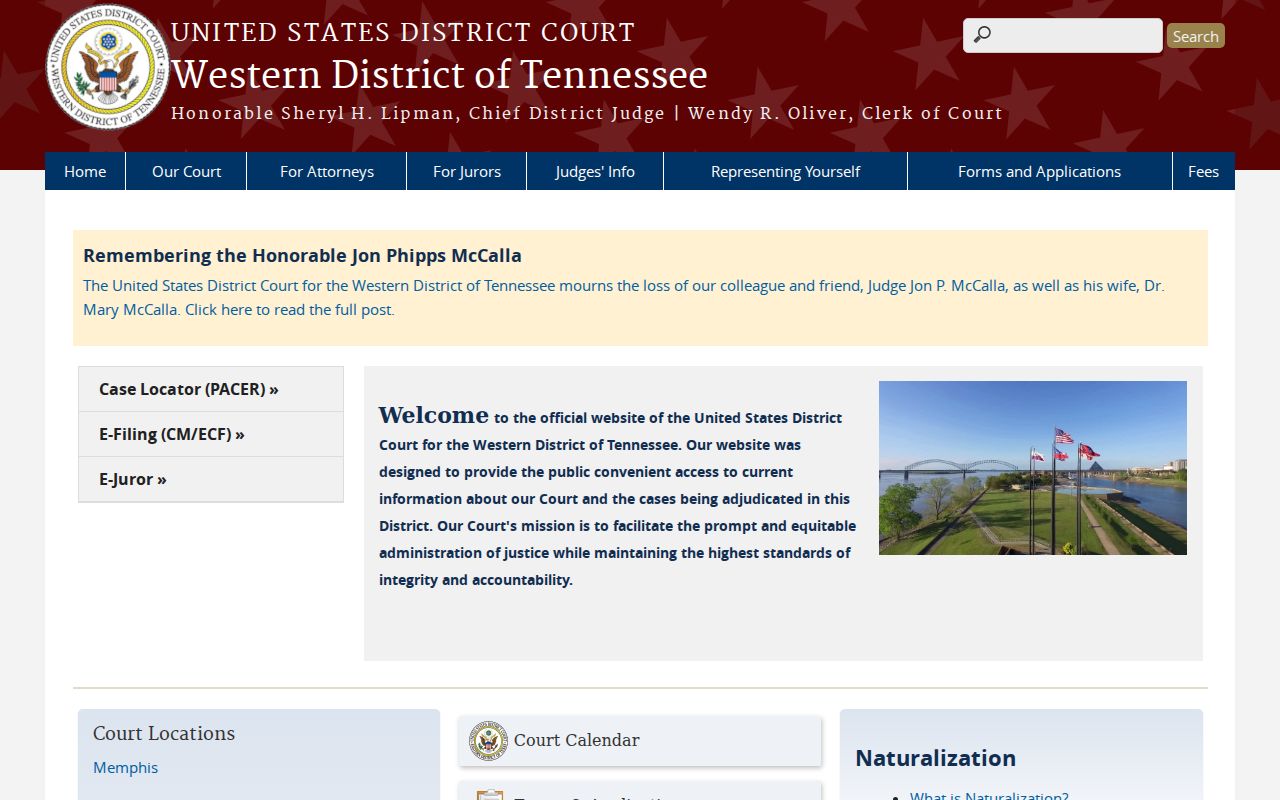
The Western District federal court site explains the district's structure rather than offering a public self-check list for Fayette County. The official PACER service provides federal docket access.
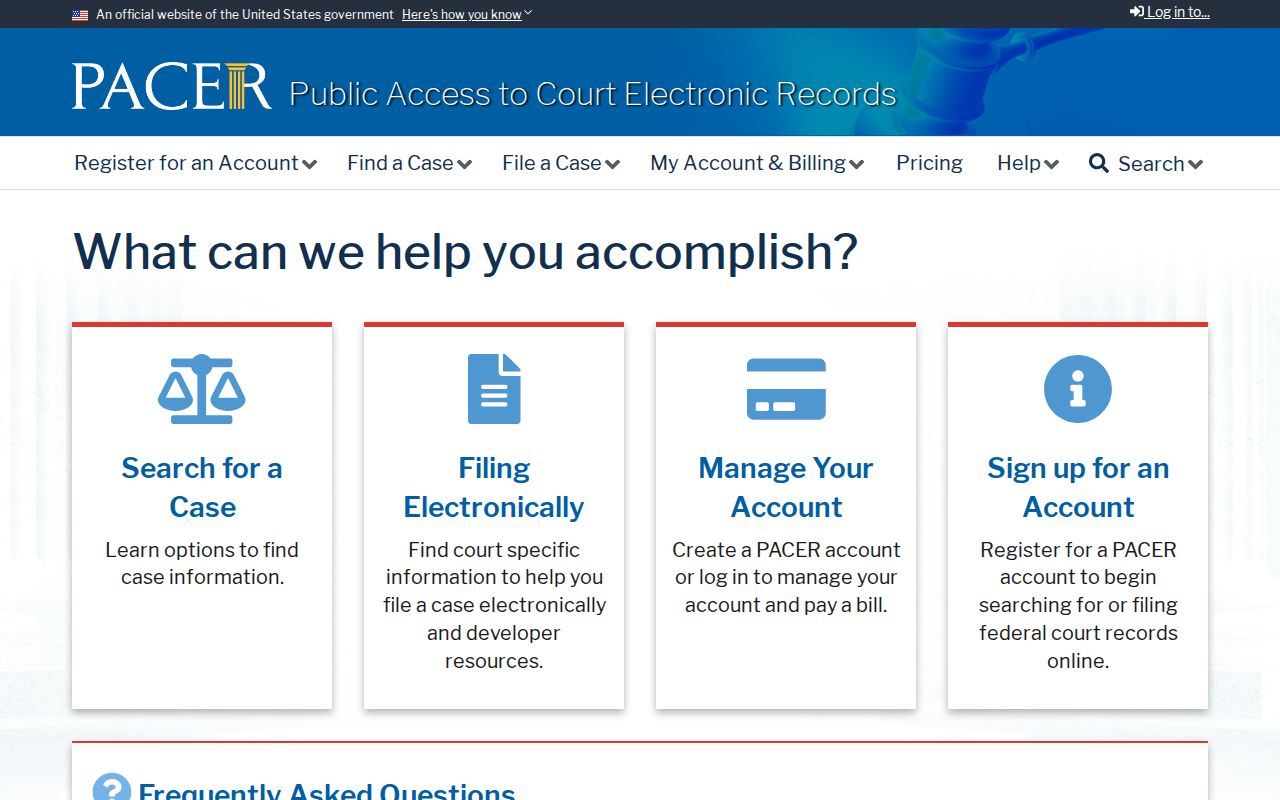
A missing docket entry is not federal warrant confirmation. For a real answer in Fayette County, use counsel, the court, or the agency named in a notice.
Checking Fayette County Arrest Warrants for Yourself
Check the paperwork first. Note the court and case number. Then call FCSO at 901-465-3456 and ask whether its agency-held list shows a possible entry under the name. For a Fayette County docket, the Circuit/General Sessions clerk answers at 901-465-5205; a municipal citation goes to the city clerk.
- Ask which court issued the process and which agency holds it.
- Have counsel ask about a motion or arranged appearance if needed.
- Call Booking at 901-465-5247 to confirm current bond and custody terms.
- After court action, confirm the clerk and agency updated their separate records.
The bond field on the public list is not a guaranteed release amount in Fayette County. A court order, a jail record, and the active list can each change at different times.
If There Is a Fayette County Warrant for You
Facing a Fayette County warrant works best when you plan the calls first. Dial FCSO at 901-465-3456 and ask whether the agency holds the record, which court issued it, and who to contact next. Ed Pulliam's clerk office handles the county docket at 901-465-5205. Booking can tell you the current bond. It can also explain custody instructions. A city case goes to that municipal clerk instead. Before you appear, ask a lawyer whether a motion, an arranged surrender, or a court date makes sense, since no walk-in surrender window or recall form is offered countywide. Keep the court order, and confirm separately that the active record reflects it.
Important: Before appearing, speak with counsel and the issuing court, then confirm bond, holds, and a planned surrender with FCSO and Booking.